EcoCurrent
From one can to a living ocean






In 2021, the United States sold approximately 107 billion aluminum beverage cans. About 55% of them were not recycled, resulting in waste valued at over one billion U.S. dollars.
Through further research, we discovered that these wasted aluminum cans are surprisingly valuable, but most people are unaware of this. At the same time, the existing system fails to make this value visible or meaningful to users.
The surey collected total of 137 responses, with age ranges 17 - 61. Providing a solid data set for analyzing user domographics and behaviors related to their recycling experiences
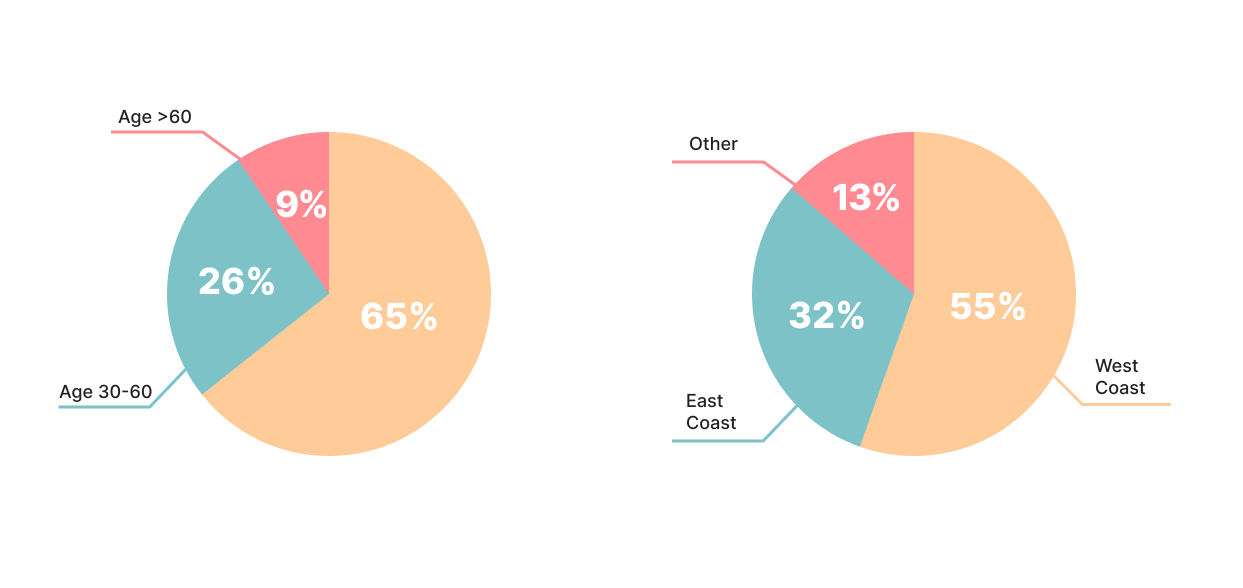
More than 65% of people think that we are not handling recyclable items such as cans well.
More than 47% of people think that we should have a better solution
More than 80% waste happens when people are working ( home / school / work )
We conducted interviews with 27 participants and recorded their answers.

Through an analysis of the user journey map, we identified opportunities for improving the overall user experience.

Through group discussions, we identified two key directions. The first is to motivate users and encourage behavioral change. The second is to work with government systems to streamline recycling processes and improve overall efficiency.
People lack motivation to recycle—real-time feedback or small rewards can boost engagement.
There’s no efficient device from public for compressing and storing cans, making recycling harder to manage.
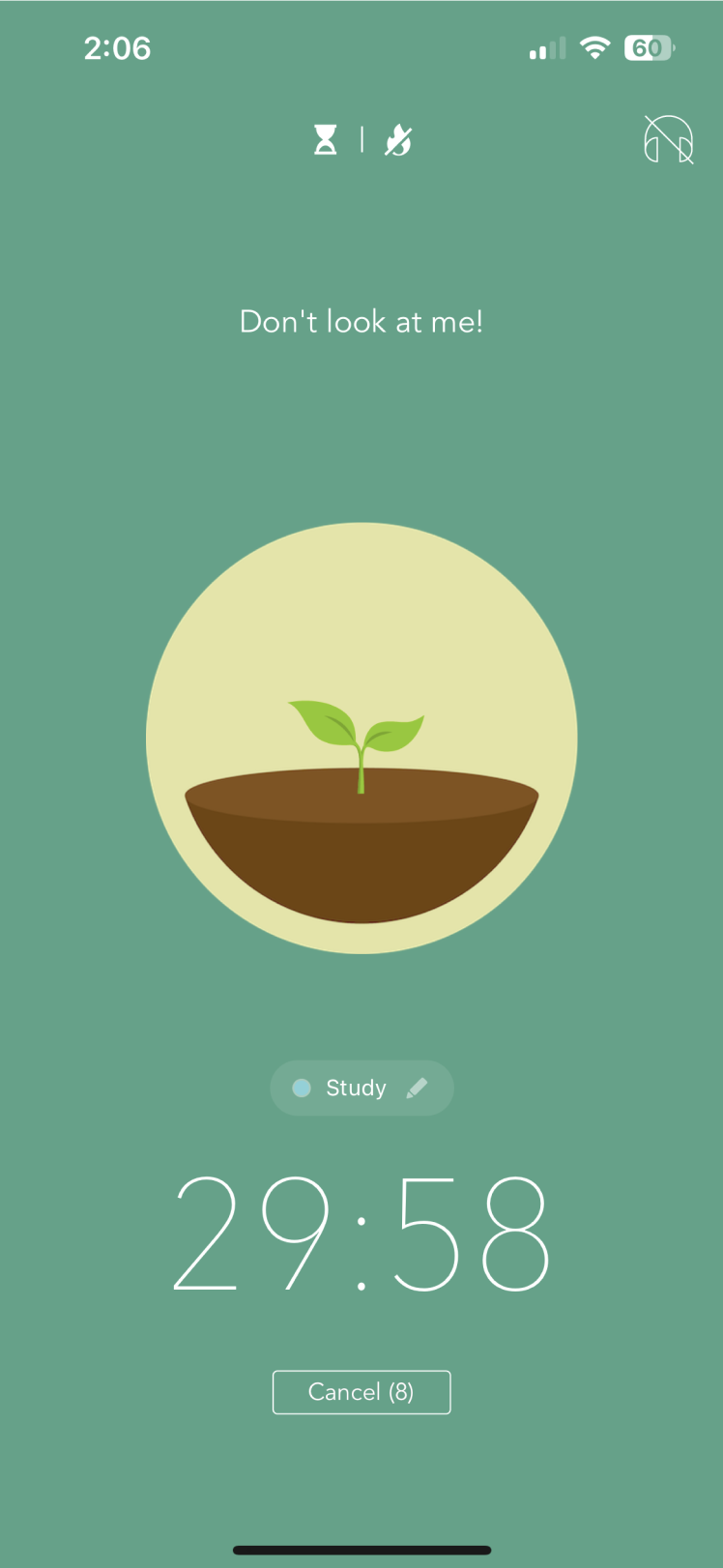
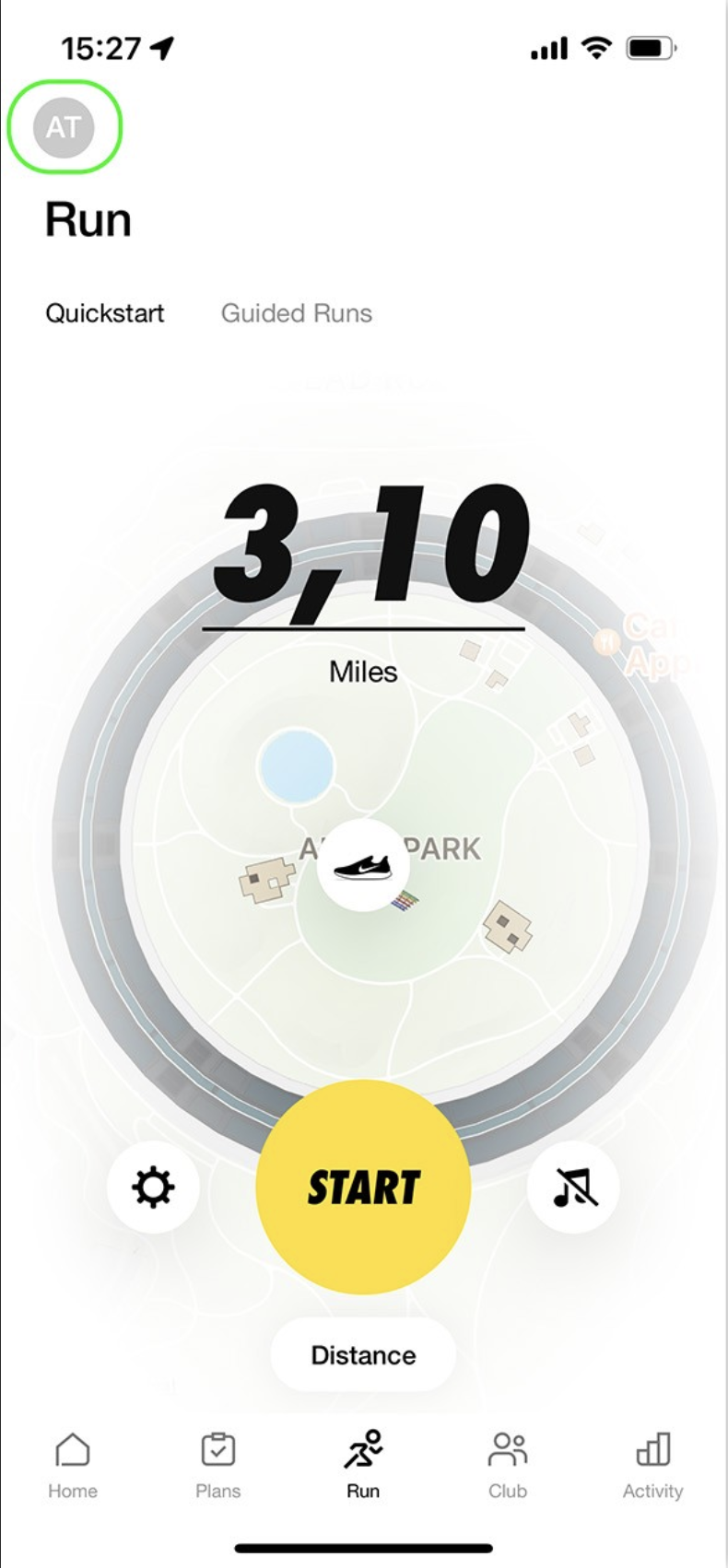
In order to explore effective ways to motivate users and make the experience more accessible, we chose to begin with an app-based solution. We analyzed existing products that are designed to encourage user engagement and behavior change.


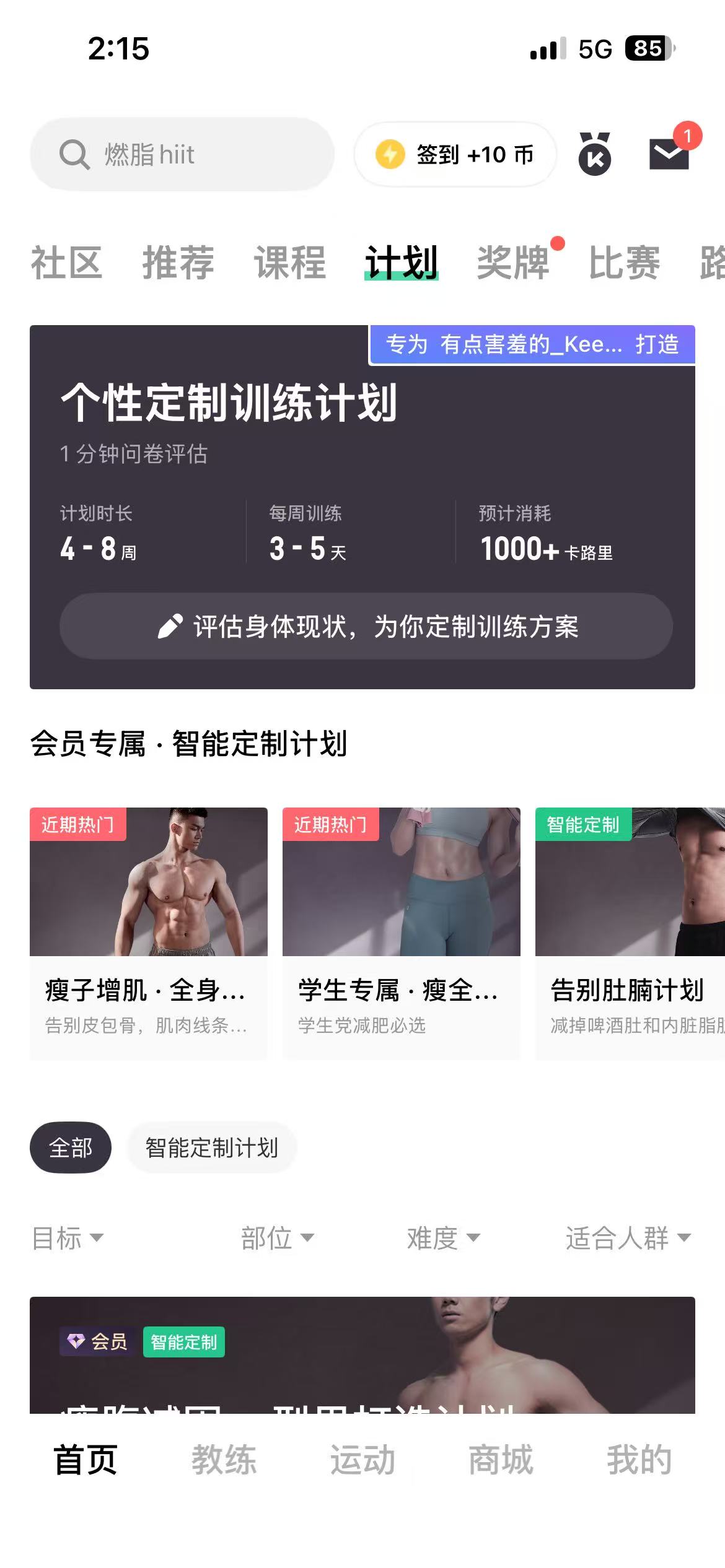
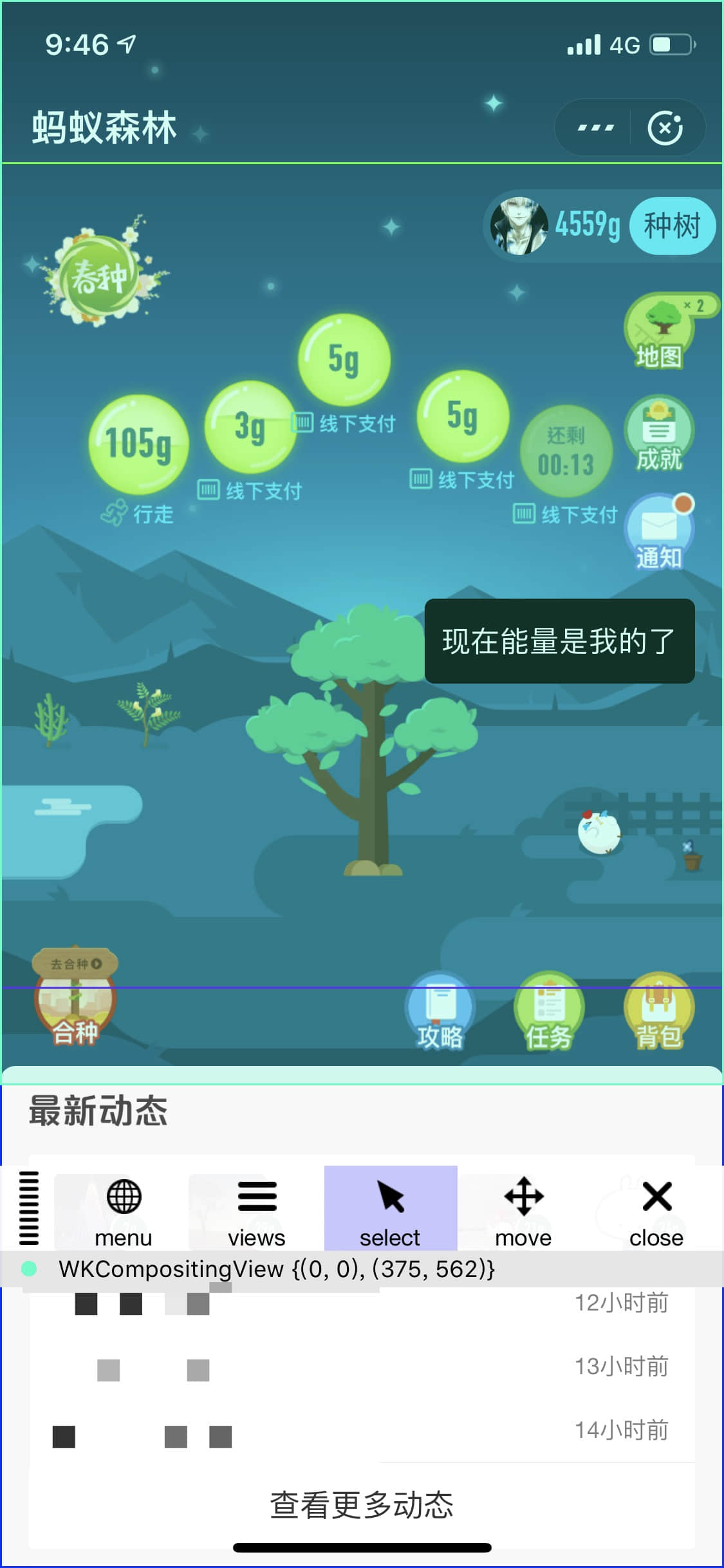

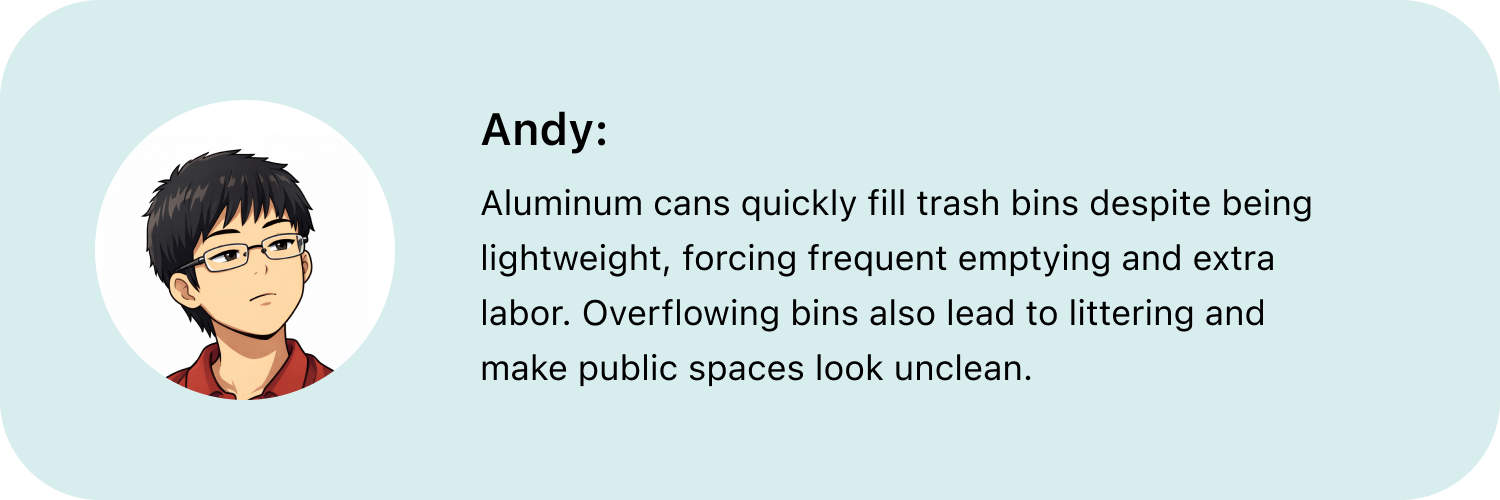
Aluminum cans must be sorted before processing, then compressed to cut volume by up to 90% for transport. In the U.S., over 105,800 cans are recycled every minute, but up to 35% face contamination from poor sorting, leading to waste. Smart sorting at the source is key to reducing labor, improving quality, and boosting efficiency.

Wastewater from cleaning cans before recycling can cause pollution if not properly treated.
Improper handling of waste liquids or emissions during smelting or recycling may contaminate water.
Unregulated disposal of recycling byproducts, such as polluted wastewater, can lead to water pollution.
The CRV system charges 5 cents for containers under 24 ounces and 10 cents for larger ones, but creates high costs and low returns: consumers face upfront deposits and inconvenient refunds, while recycling centers struggle with rising costs and unstable markets. This imbalance calls for fairer, more sustainable solutions.

Users can monitor compressed cans, schedule pickups, and track some environmental contributions like carbon footprint reduction.
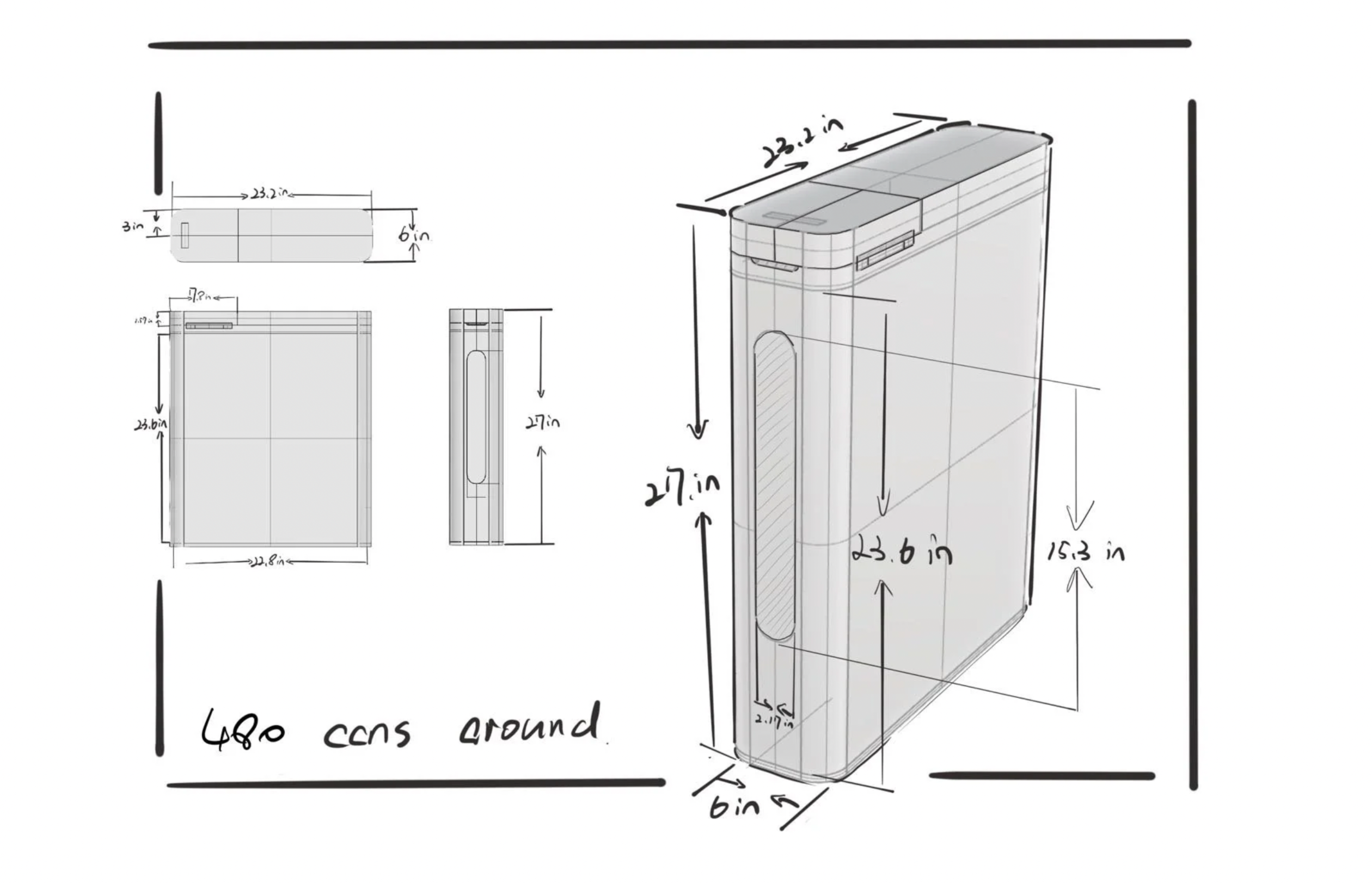
A compact trash bin with built-in can compression, optimized for small spaces, storing up to 300+ compressed cans efficiently.
The app tracks recycling progress, schedules on-demand pickups, and rewards users for their efforts.

Since recycling cans plays a crucial role in protecting our oceans, We want to create a virtual aquarium that grows and evolves based on your contributions, visually showcasing the positive impact of your recycling efforts over time.


.png)
We transformed the wireframe from a functional recycling tracker into an immersive sea environment-raising experience, evolving from a minimalistic interface to a vibrant, dynamic underwater world that visually rewards user engagement.




The aquarium showcases diverse local (Bay Area) marine life, connecting users to the local ecosystem.
Each fish serves as a collectible reward unlocked with the recycling points, which can motivate users to engage and contribute consistently.

Various environmental enhancements, such as coral growth, schools of fish, and shifting water textures, respond to users' recycling efforts, reinforcing their impact on the ecosystem. These changes make the overall visuals more captivating and encourage deeper emotional engagement with the app.
.gif)
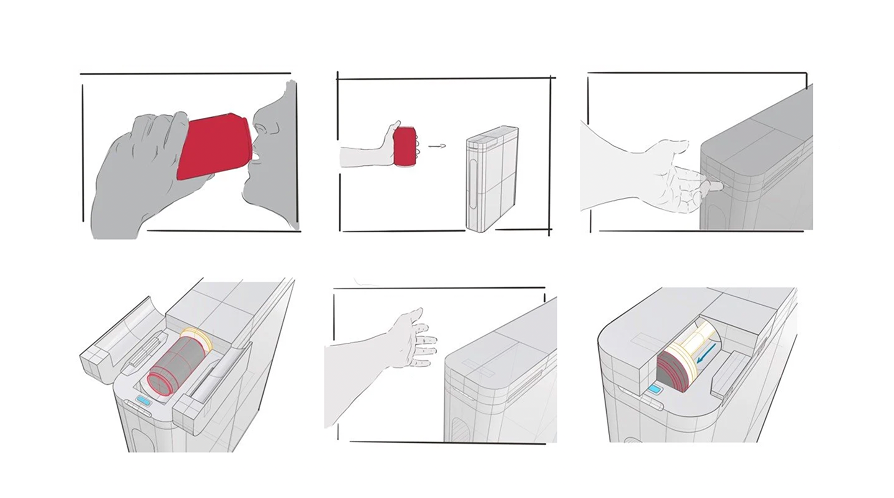
After finishing the drink, the user places the aluminum can directly into the recycling device instead of setting it down or discarding it elsewhere. The can is inserted without being crushed by hand, reducing residue transfer and mess.
The Canpressor is designed to fit seamlessly into small rooms, with dimensions of 6 feet by 23.2 inches by 27 inches. Despite its narrow body, it can store up to 480 compressed cans (2 layers of 8 cans stacked 30 cans high) in the kitchen, living room, or any other space where the user enjoys a refreshing drink.

The choice of green as the theme color is intentional, as it embodies the essence of environmental friendliness, cleanliness, and freshness. Green is universally associated with nature and sustainability, reinforcing the app's focus on promoting eco-friendly practices. Additionally, the clean and refreshing feel of green creates a welcoming and calming user experience, aligning with the app's goal to inspire positive recycling habits in a simple and approachable way.

.png)


.png)
Our design accommodates cans of various standard sizes available on the market, ensuring versatility and efficiency in the recycling process. However, for plastic bottles, we aim to collaborate directly with facilities that specialize exclusively in can recycling. Therefore, we do not recommend including plastic bottles in our compression system.
We realized that for the app to have a meaningful real-world impact, collaboration with local environmental government support is essential. Their involvement in promoting recycling initiatives and integrating real-life incentives could enhance user participation and drive long-term behavioral change.


Potential partners include schools, recycling companies, beverage brands, municipal waste management, and event organizers to integrate efficient can compression and recycling solutions.
To maximize the impact of the gamified recycling app, the next steps will focus on three key areas:
Partner with local organizations to introduce the app in recycling programs, fostering sustainable habits through education and engagement.
Use social media, marketing campaigns, and collaborations with eco-conscious brands to expand the app’s reach and encourage adoption.
Work with businesses and policymakers to integrate app data into sustainability efforts, shaping better recycling policies and incentives.